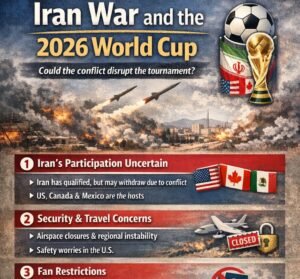
Team Participation
– Iran’s uncertainty: Iran, which qualified for Group G, faces significant doubts about participation due to tensions from US-Israeli military strikes and Iran’s retaliatory actions. Logistical issues like travel route disruptions and visa complications are major hurdles, and if it withdraws, Iraq or the UAE could be potential replacements.
Travel and Logistics
– Global travel impact: Airspace closures and flight cancellations in the Middle East may affect fans and teams traveling to and between tournament hubs in North America. Additionally, the tournament itself is expected to draw over six million visitors, already posing challenges like airport congestion and slot restrictions, which could be exacerbated by broader geopolitical travel disruptions.
Security Concerns
– Heightened risks: The conflict adds to existing security challenges, including potential threats of protests, vandalism, or terrorist attacks. With the US involved in regional tensions and events like its Independence Day coinciding with the tournament, security measures will need to be intensified, possibly disrupting operations around venues.
Sponsorship and Reputation
– Middle Eastern sponsors: Major Middle Eastern sponsors like Aramco and Qatar Airways are involved, and the conflict could impact their branding strategies or public perception of the tournament. There may also be calls for boycotts or protests related to the geopolitical situation, affecting the event’s reputation.
FIFA is monitoring the situation but has not announced any schedule changes yet.
Leave a Reply